
White storks are coming home. Here’s why we’re helping
Luke Peters
April 22 marks Earth Day – and this year, the message is simple: don’t wait for permission to act.
The theme for Earth Day 2026 is Our Power, Our Planet. It’s a deliberate shift from last year’s focus on clean energy infrastructure into something more immediate and human – a reminder that even as environmental policies waver and institutions hesitate, communities and individuals still hold real power to protect and restore the natural world. Civic action. Local solutions. Decisions made today that compound over years. That’s what Earth Day 2026 is asking of all of us.
It’s a message we believe in.
As a Certified B Corporation, Archetype’s purpose is to Accelerate Positive Impact for People and Planet. That isn’t a tagline – it’s the reason we’ve built the kind of partnerships we have, and the standard to which we hold ourselves. One of those partnerships is with the Knepp Wildland Foundation, whose work on rewilding and species recovery in Britain is some of the most inspiring conservation happening anywhere right now. We’re proud to be an official partner, and this Earth Day marks another step in that ongoing commitment.
This year, Knepp is running a matched funding campaign through Big Give’s Earth Raise – aiming to raise £40,000 between 22 and 29 April, with every donation doubled. We’re supporting it. And the project at the heart of it is remarkable.
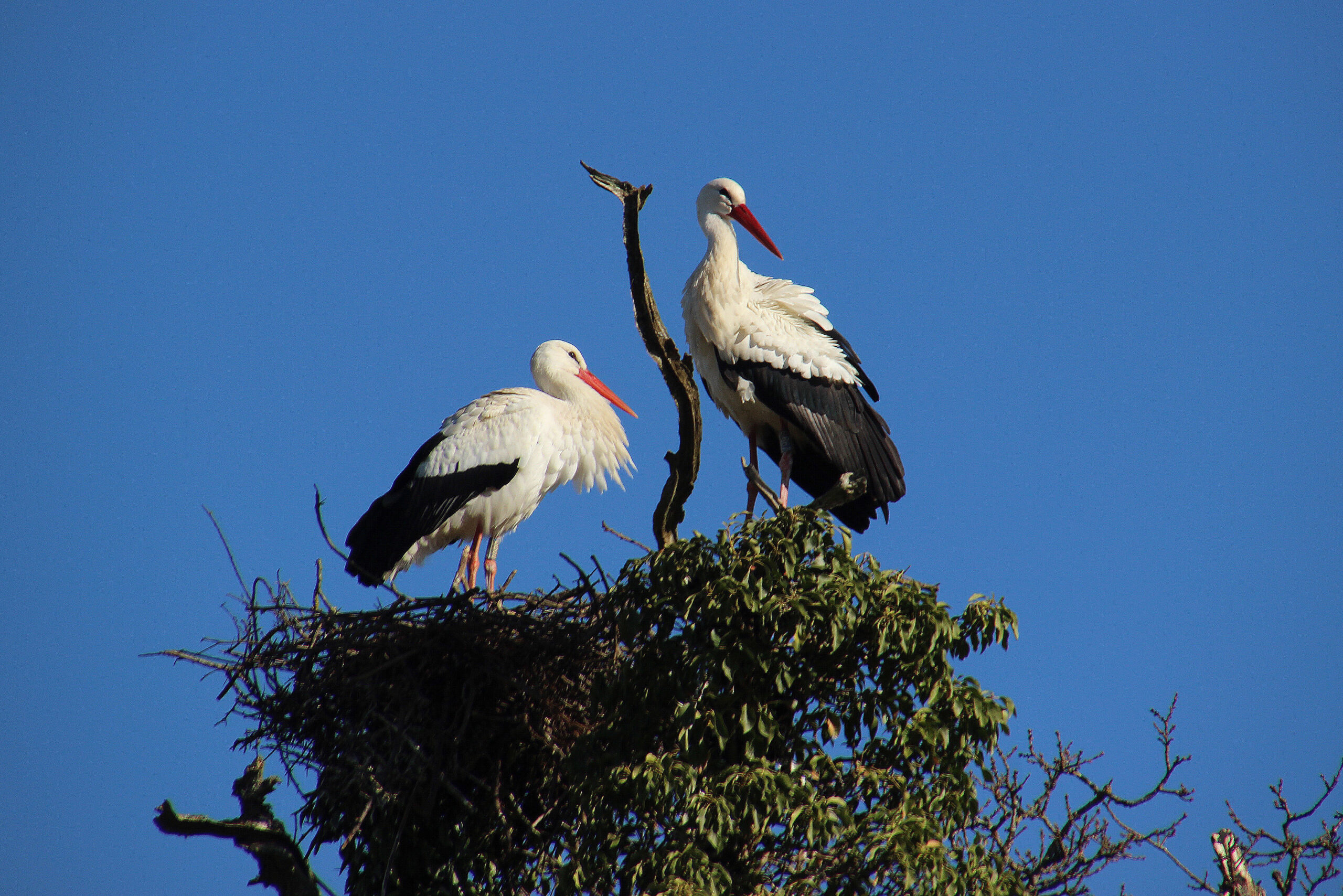
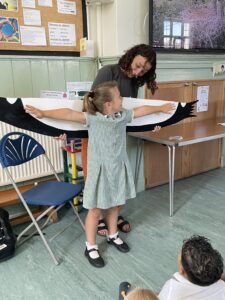
White storks haven’t nested freely in Britain for over 600 years. Their disappearance was gradual – wetlands drained, habitats lost, the landscape quietly reshaped over centuries until there was simply no room for them. The Knepp Wildland Foundation’s White Stork Project is changing that, combining rigorous science with community education and hands-on rewilding to bring this iconic bird back to British skies for good.
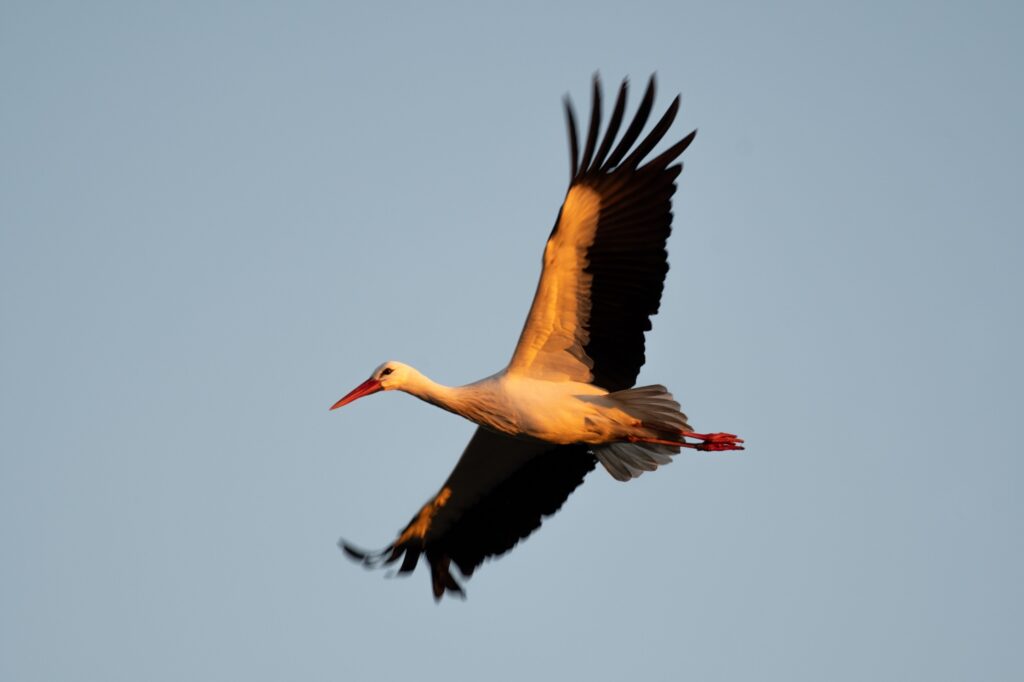
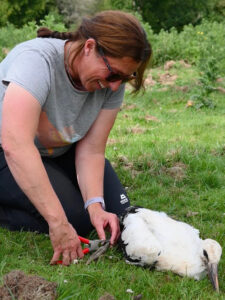
Our donation funds a satellite tag for one of this year’s storks. Laura, Project Manager at the Knepp Wildland Foundation:
“We are hugely grateful for Archetype’s support. This donation will cover the cost of a satellite tag for one of our storks. We aim to tag around 10 storks each year, allowing us to track their migration and learn a great deal about where they overwinter after leaving the UK – many making it all the way to north Africa and back. As this dataset grows over the years, it will give us an ever-clearer picture of stork movement across the region, highlighting where vital habitat exists and where it needs protecting.”
This is what meaningful Earth Day action looks like to us – not a one-off gesture, but part of a long commitment to work that endures. Species recovery takes decades. Partnerships have to match that ambition. The storks coming back to Britain aren’t a metaphor – it’s proof that recovery is possible when people decide to make it happen.
The Earth Raise campaign runs until 29 April, and every donation is matched. If you’d like to be part of it, you can donate here.
Photo credits: Knepp (stork in flight); John Bryant (stork on nest); Knepp Wildland Foundation (all others).